Maldives 101
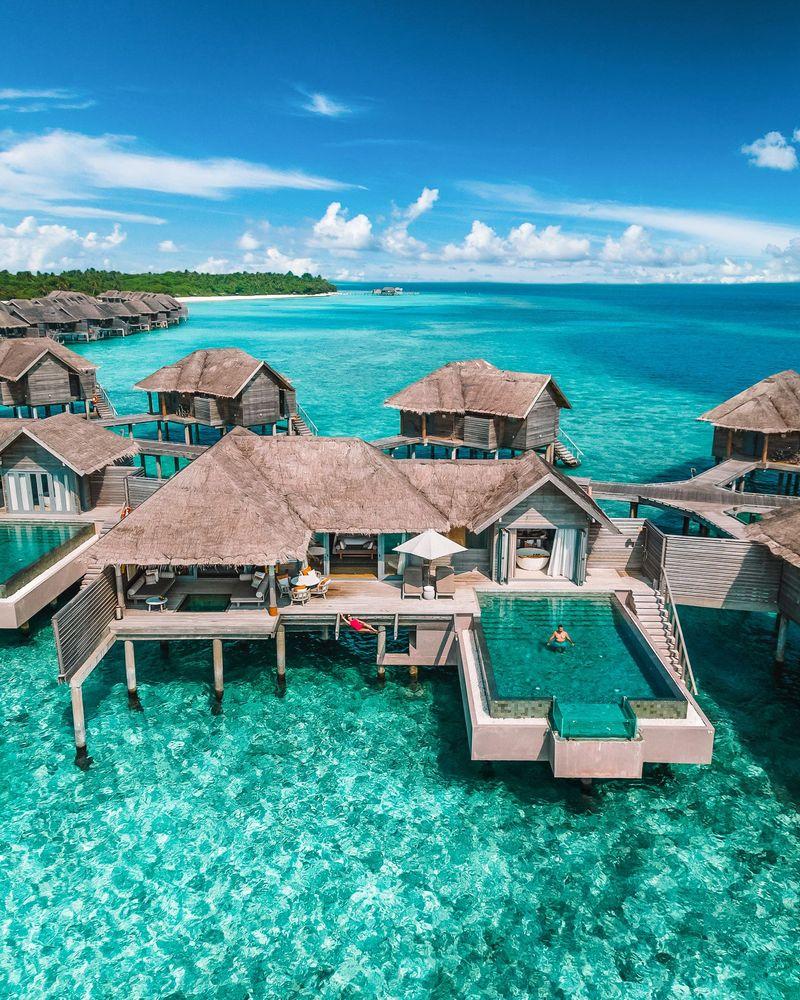
The Maldives is a country. A real one, with its own people, language, currency, culture, and history. It is not just a collection of luxury islands floating in the ocean (though from the outside it can look that way.)
It is made up of 26 atolls and over 1,000 coral islands in the Indian Ocean, southwest of Sri Lanka. Less than one percent of it is land. The rest is water.
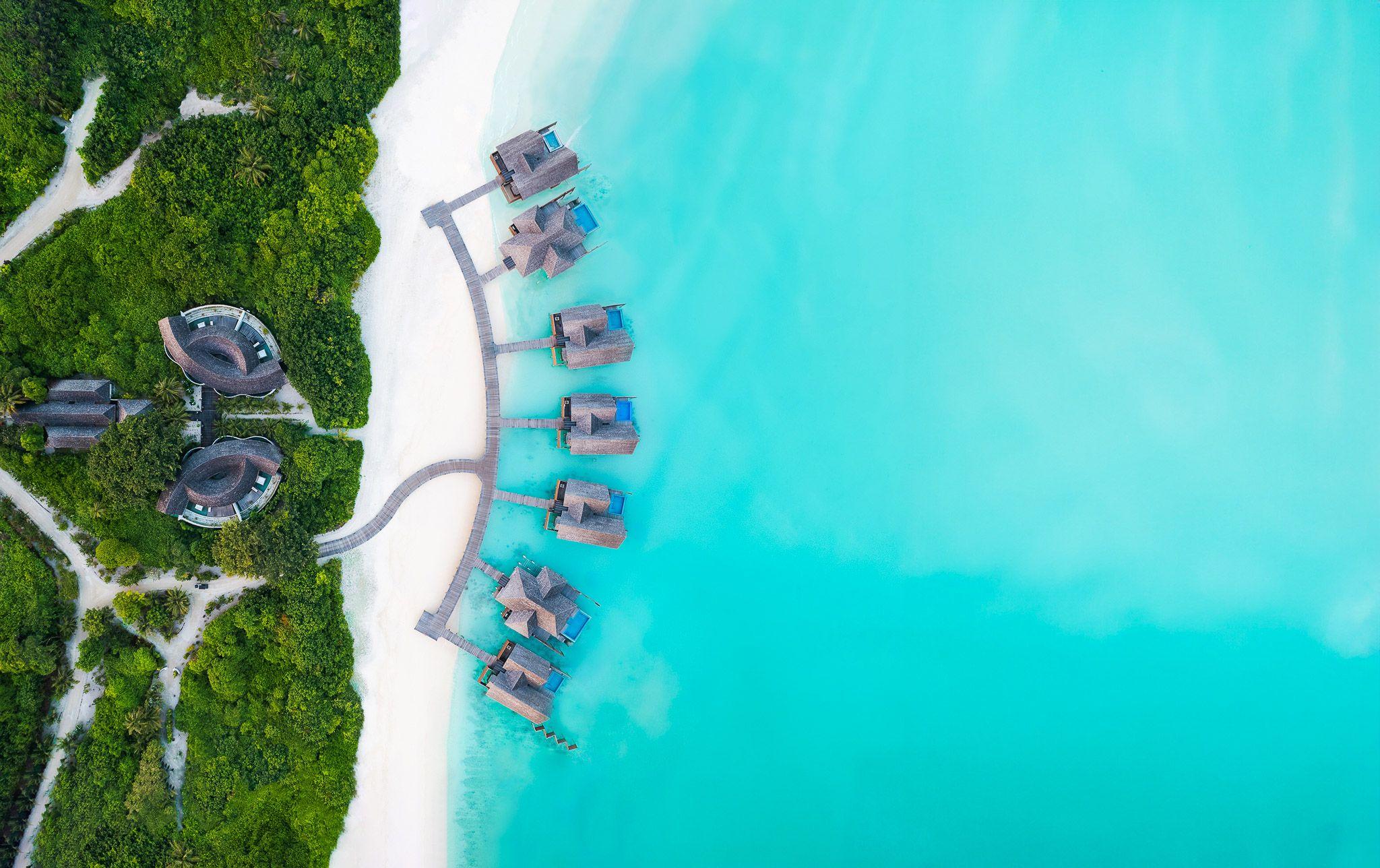
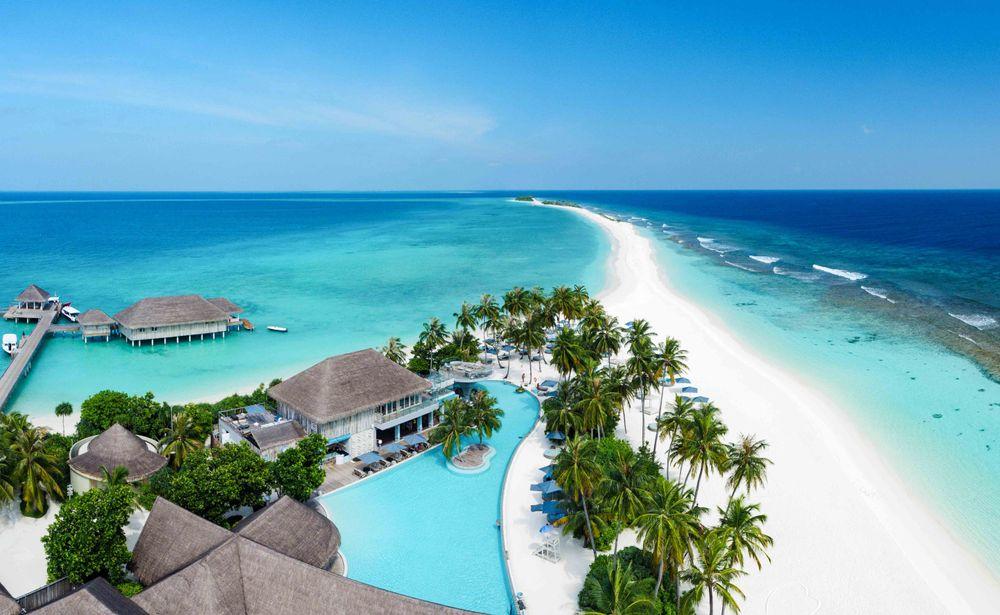
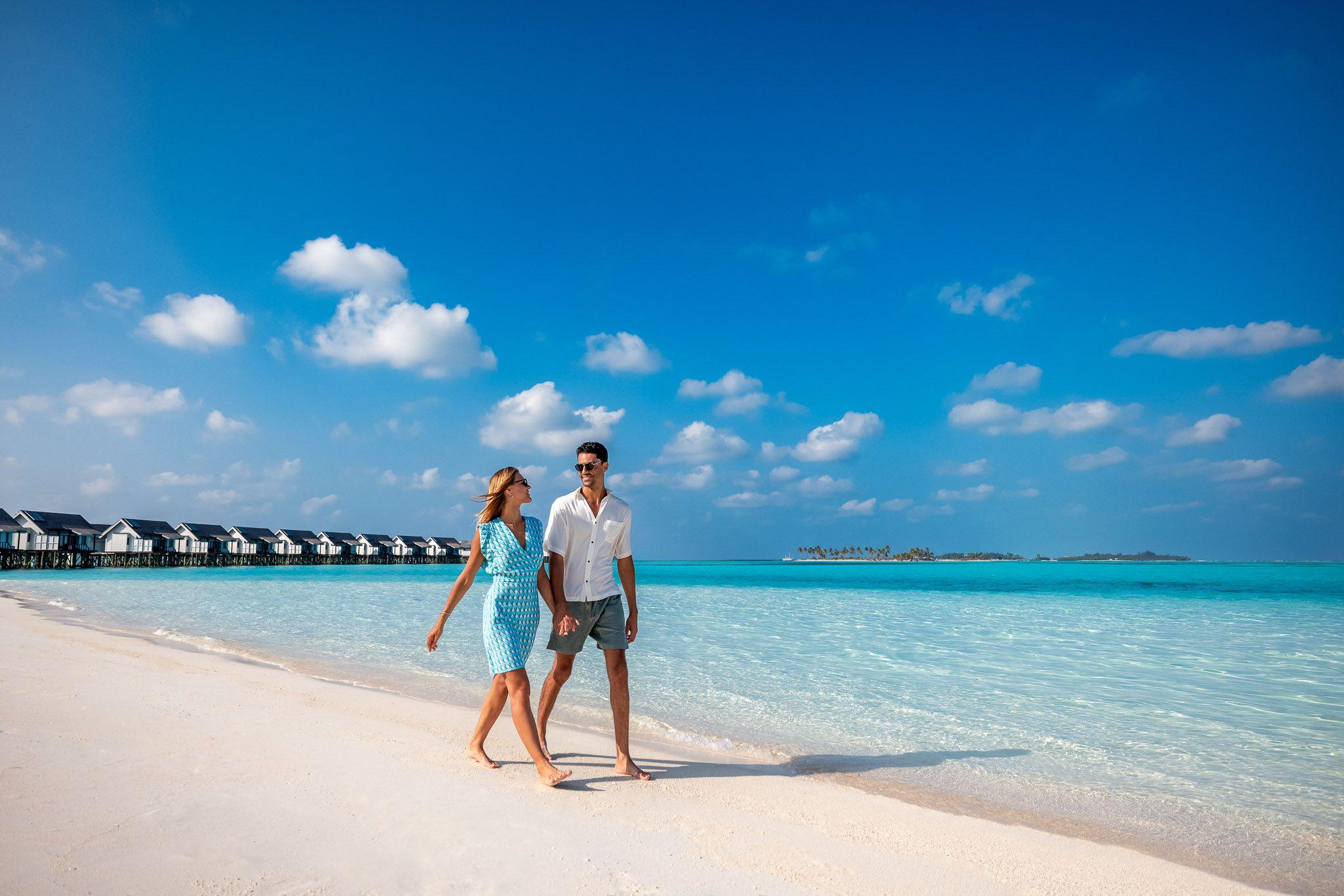
Most visitors stay at resort islands, each of which operates on a one island, one resort basis. Your resort has its own private island. No other hotels, no day trippers, no strangers cutting through. Just the guests staying there and the team looking after them. This is genuinely unique to the Maldives and it is a big part of why the place feels the way it does.
Beyond resort islands, there are local islands where Maldivians actually live. Staying on a local island is a completely different experience and a legitimate way to see the country on a budget. The capital Malé is one of the most densely populated cities in the world and worth a few hours if your itinerary allows.
When to Visit
January to March gives you the most reliable weather. February is the driest and sunniest month of the year, with up to 11 hours of sunshine a day and the calmest seas. If you want to minimise any weather risk, book in this window.
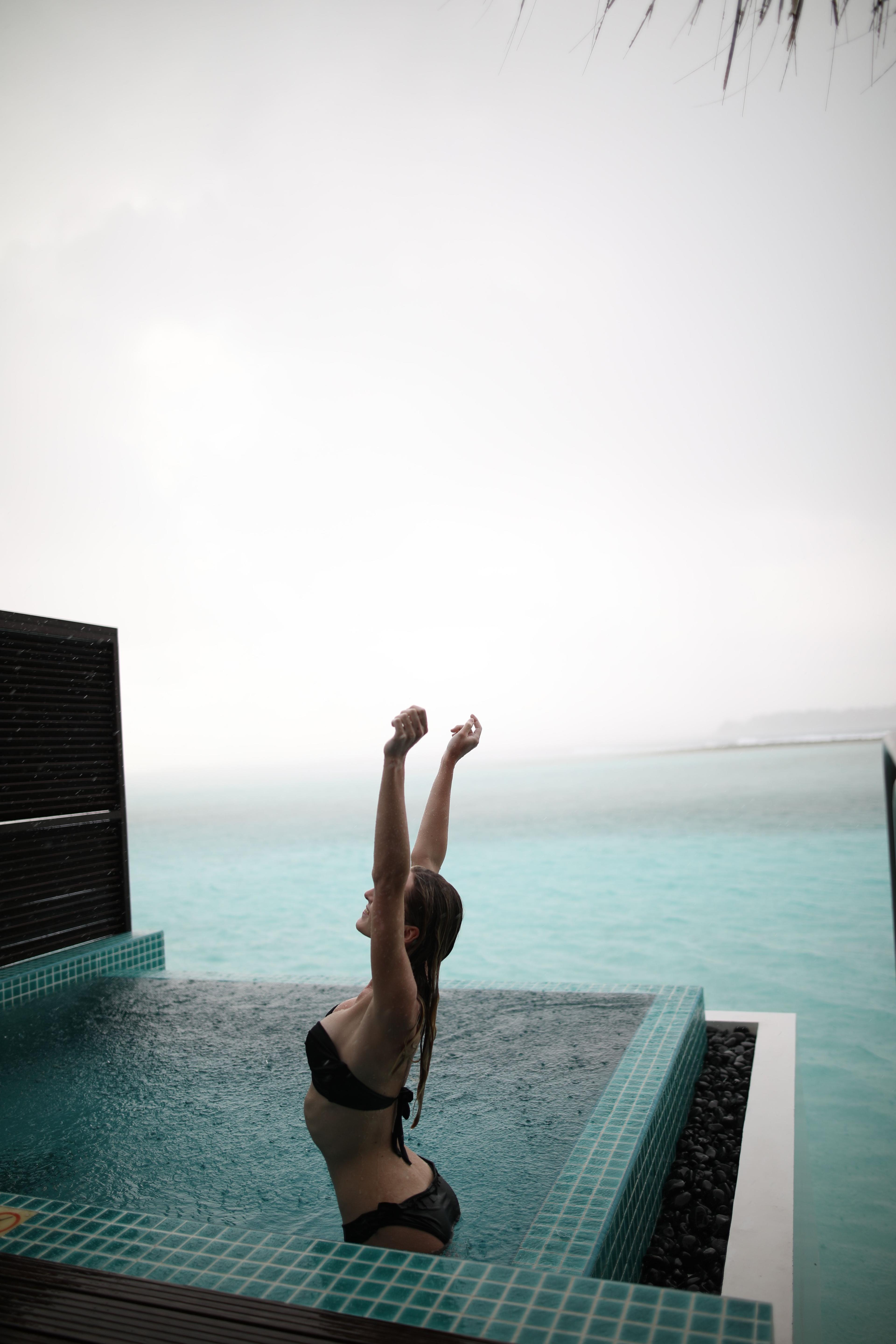
But here is the thing about the wet season that most guides skim over. Even in September, the wettest month of the year, the Maldives still gets nearly 7 hours of sunshine a day on average. Rain here is almost always a short tropical shower. Intense for twenty minutes, then gone. The sun comes back. The water stays at 28 degrees. And resort prices drop significantly.
The wet season also brings some of the best experiences the Maldives offers. Manta ray season at Hanifaru Bay in Baa Atoll peaks between August and November. Surf season runs May to October. If either of those matter to you, the wet season is not a compromise, it is the right choice.
For the full month by month breakdown, read our best time to visit guide.
Getting to the Maldives
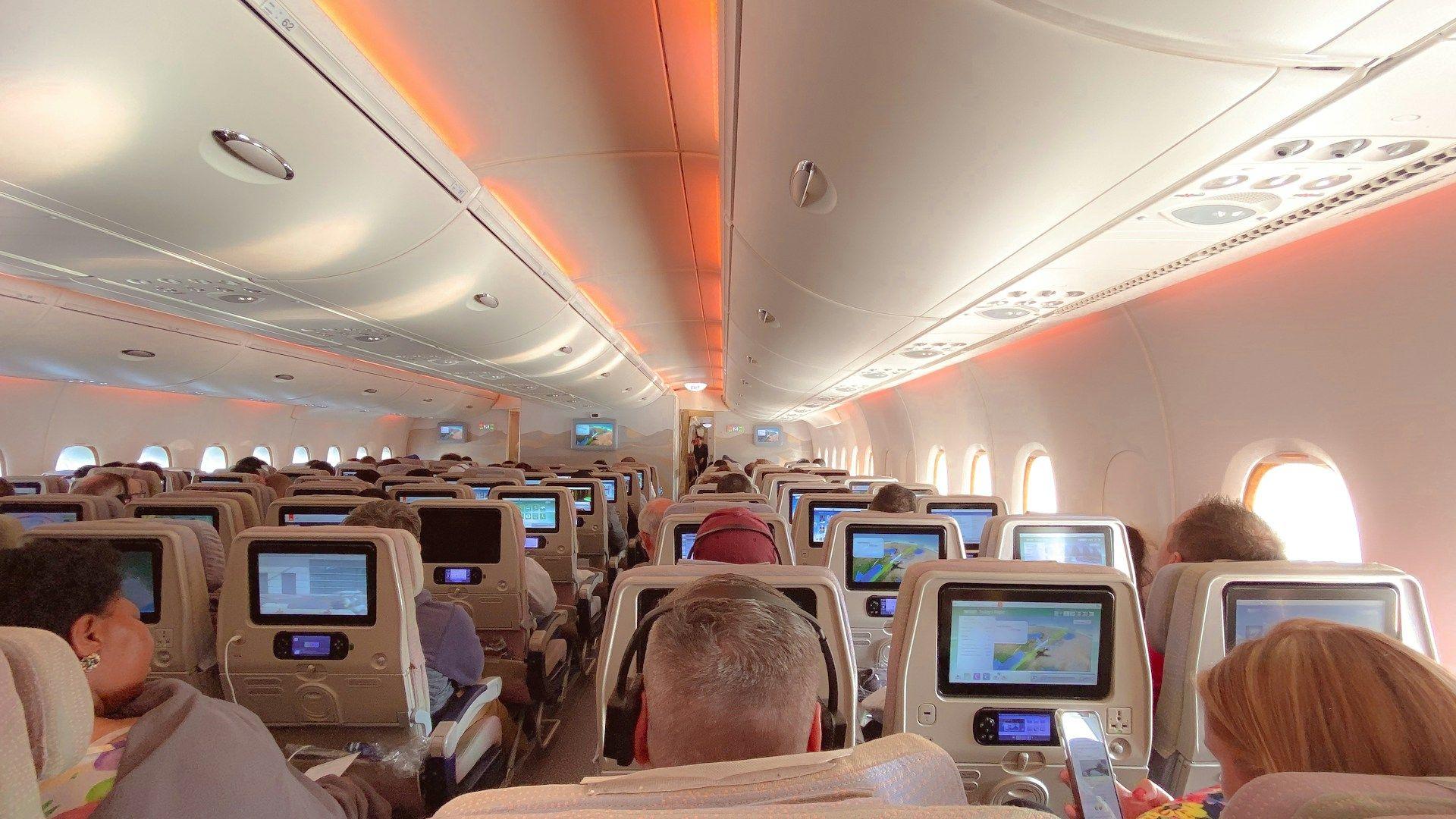
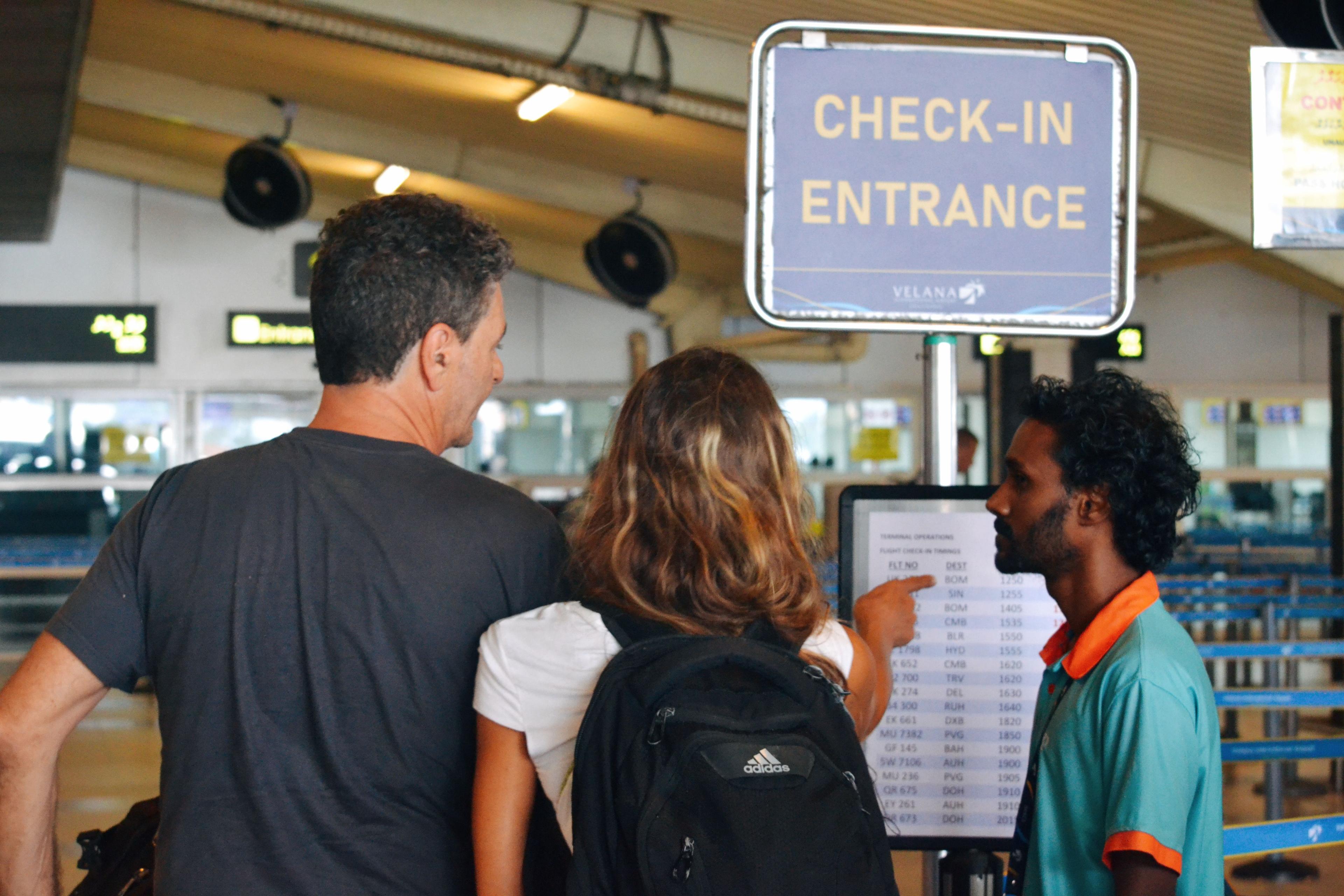
All international flights land at Velana International Airport in Malé. It connects well to the Middle East, Asia, and Europe. Emirates, Qatar, Etihad, Singapore Airlines, and several European carriers all fly here.
Getting from the airport to your resort is part of the experience, not just a logistics step.
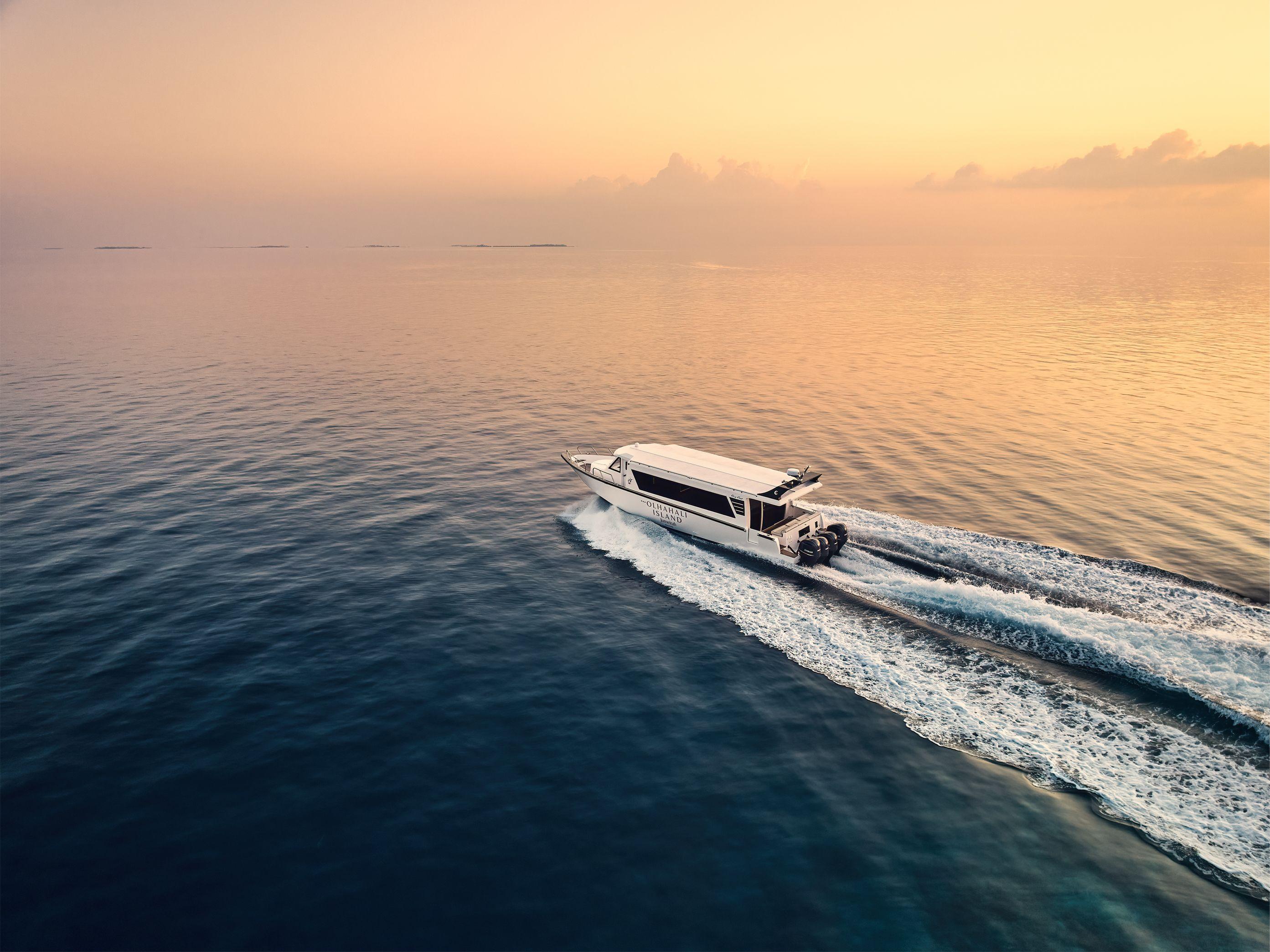
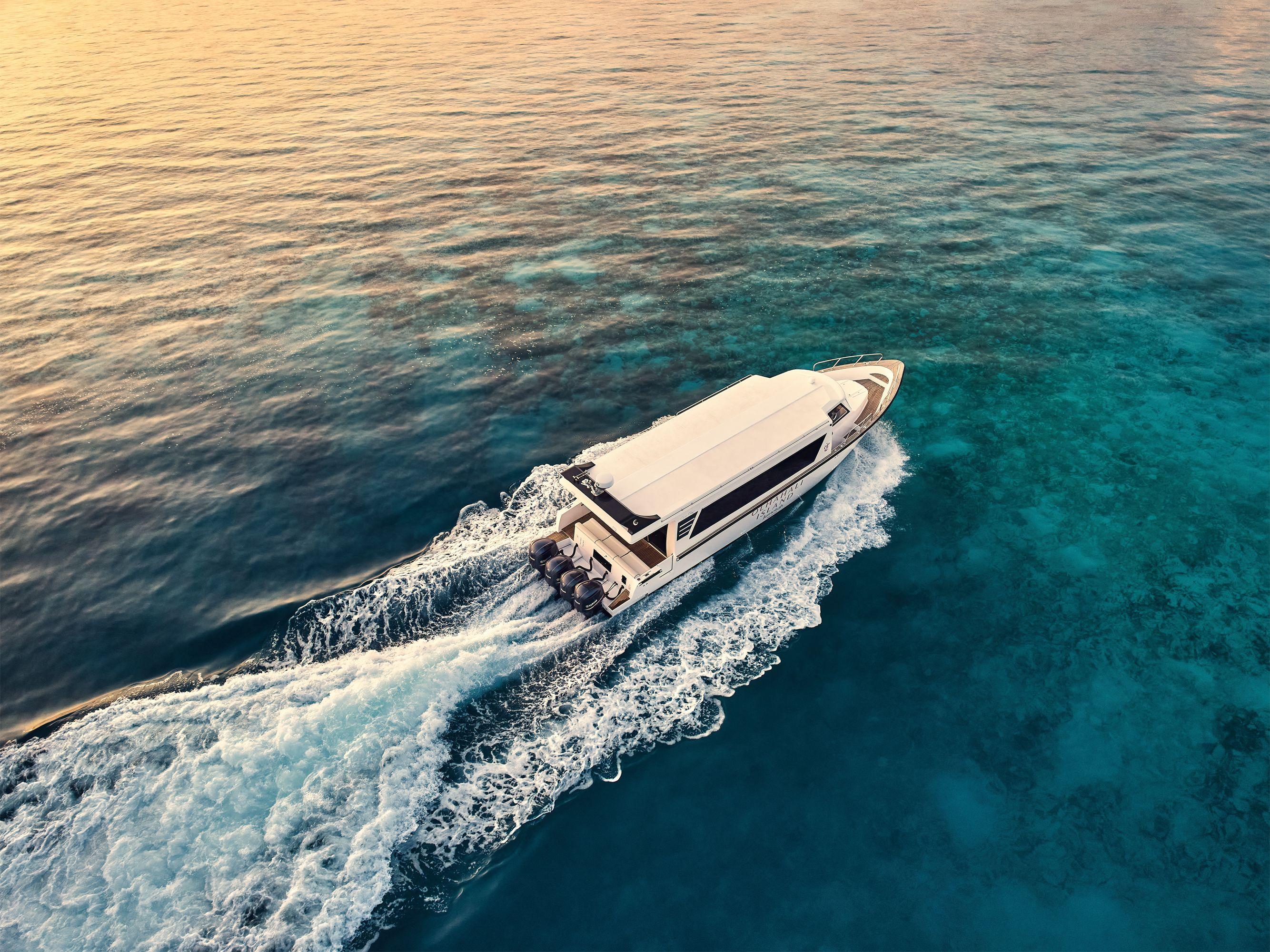
Speedboat transfers cover resorts within about 30 to 45 minutes of the airport. Fast, comfortable, and you arrive with the wind in your face and the lagoon opening up around you.
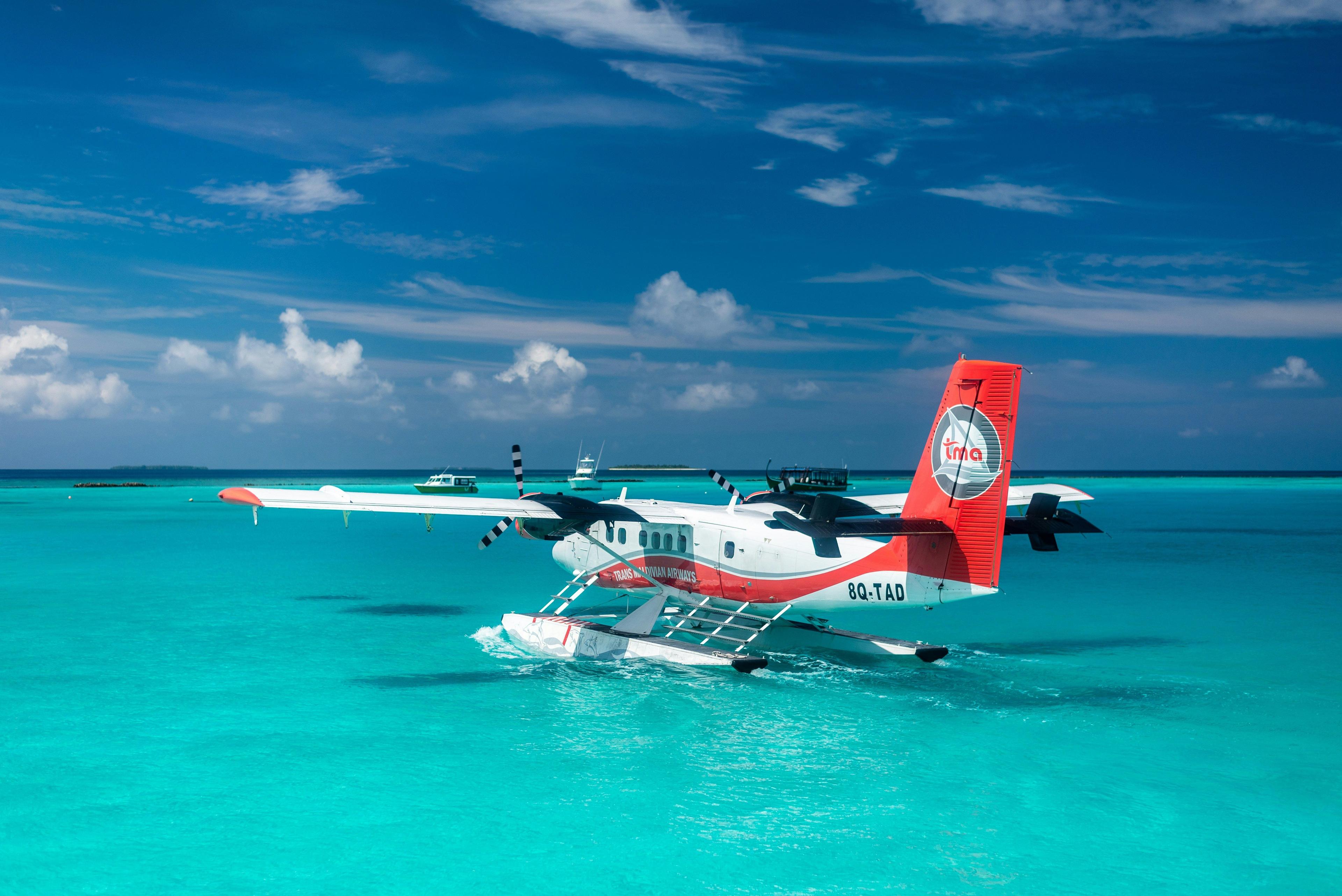
Seaplane transfers go further out. Twenty to forty five minutes in the air above one of the most extraordinary landscapes you will ever see from a window seat. Seaplanes only fly during daylight hours, so if you have a late arriving international flight you may need to overnight in Malé and transfer the next morning. Worth planning for.
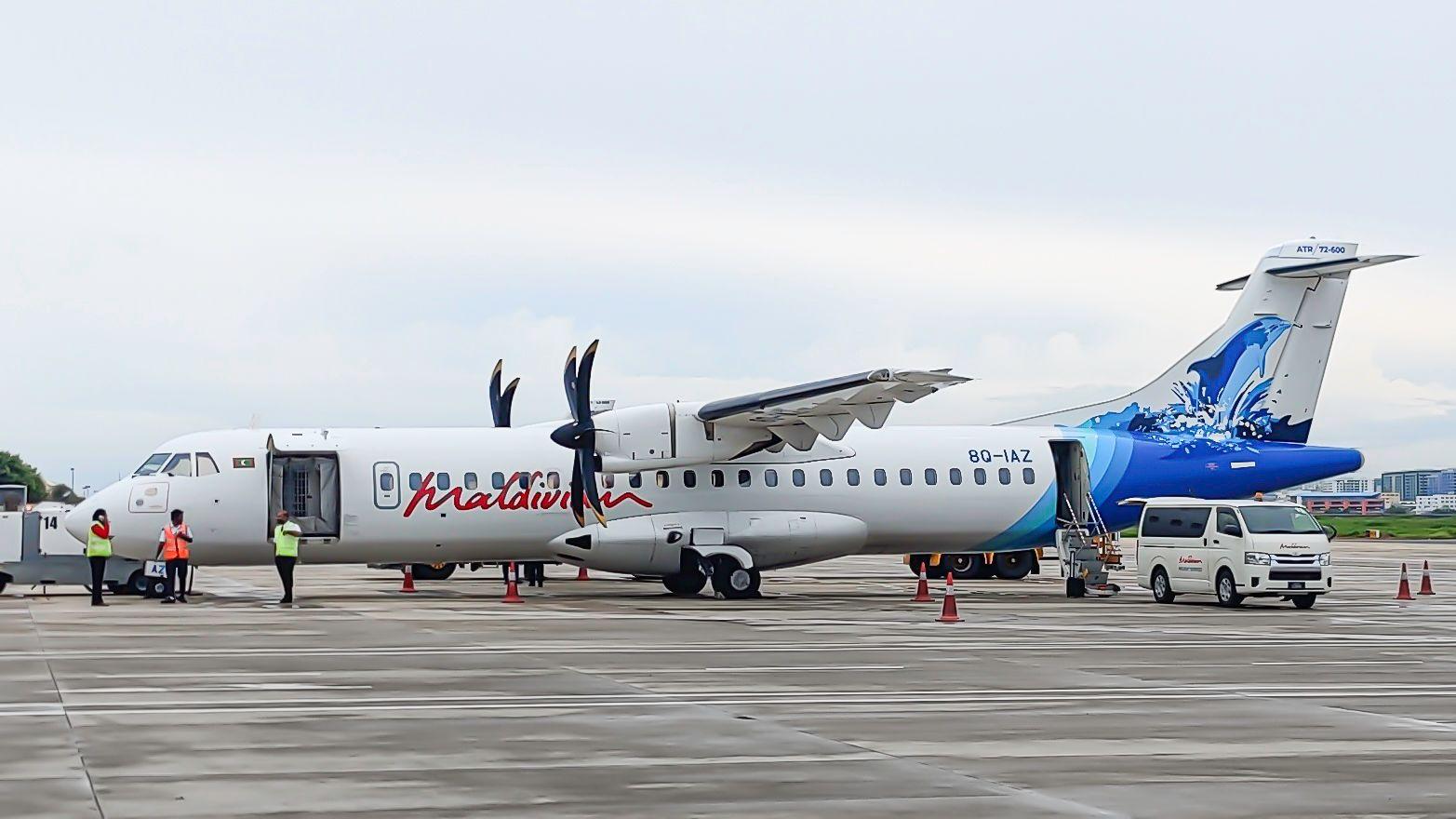
Domestic flight plus speedboat covers the most remote atolls. A short domestic flight to a regional airport followed by a boat to your island.
When you book through Maldives.com, all transfers are included and arranged for you.
Where to Stay
Choosing the right resort is the decision that shapes your entire trip. Not because some resorts are bad, but because they are genuinely different from each other and what works for one person does not work for another.
A few things actually worth thinking about before you book.
- Transfer type matters more than people realise: A seaplane arrival is one of the great travel experiences. But seaplanes run on daylight and weather. If your flight lands at midnight, you need a plan for that night. Speedboat resorts are simpler logistically and still beautiful. (Recommended: Getting Around the Maldives)
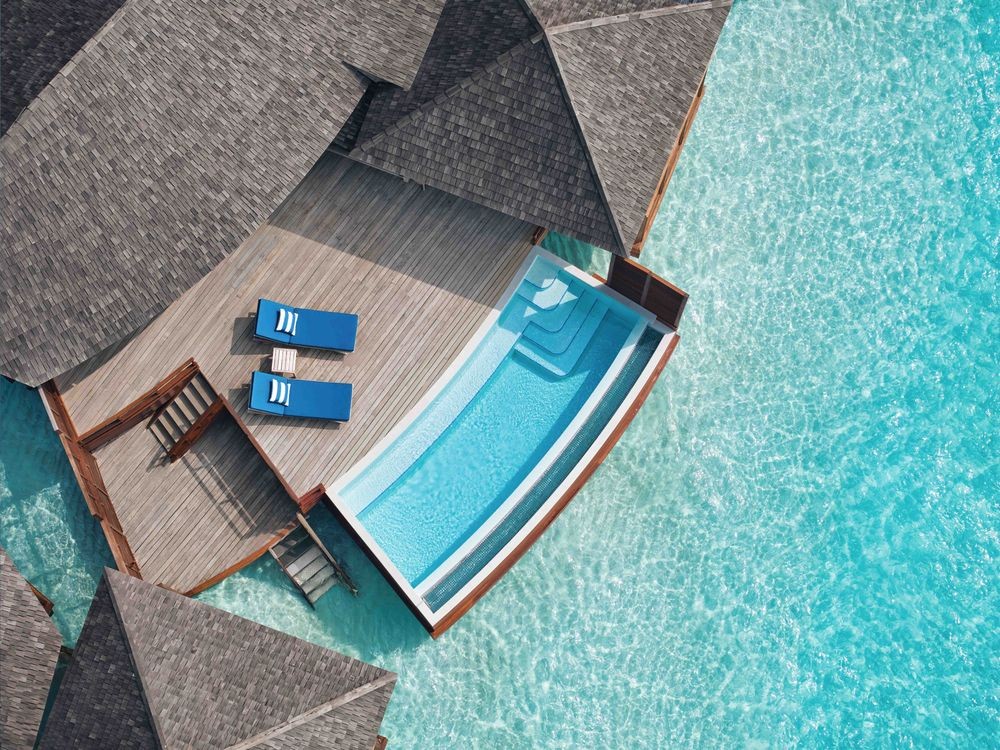
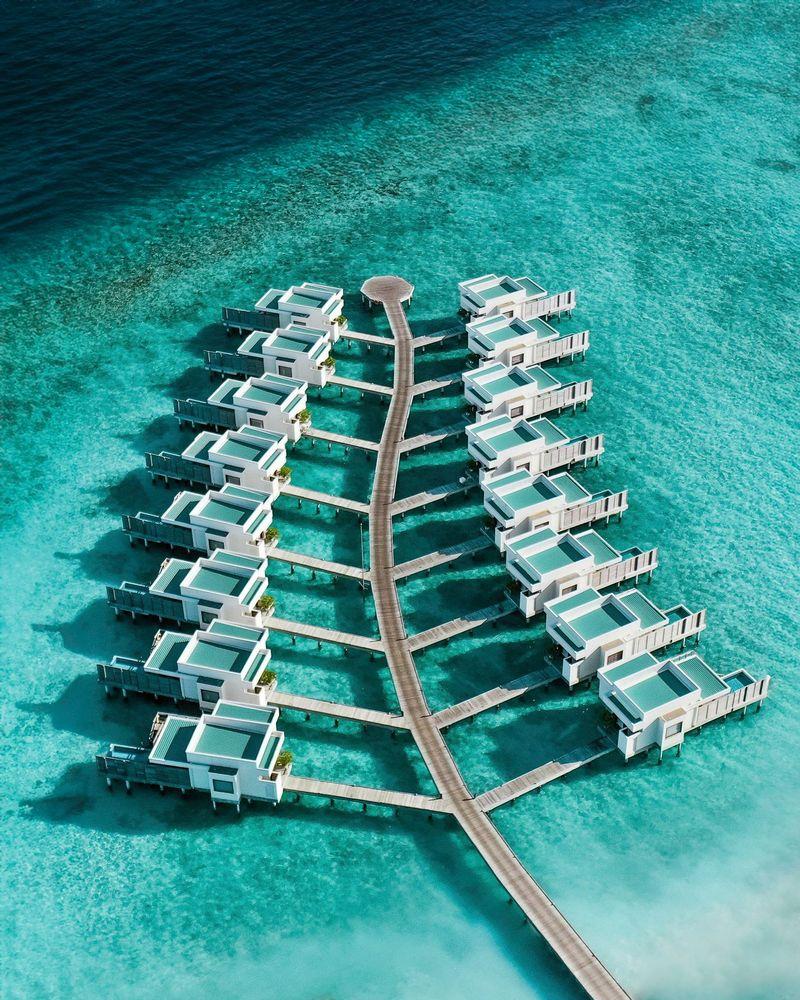
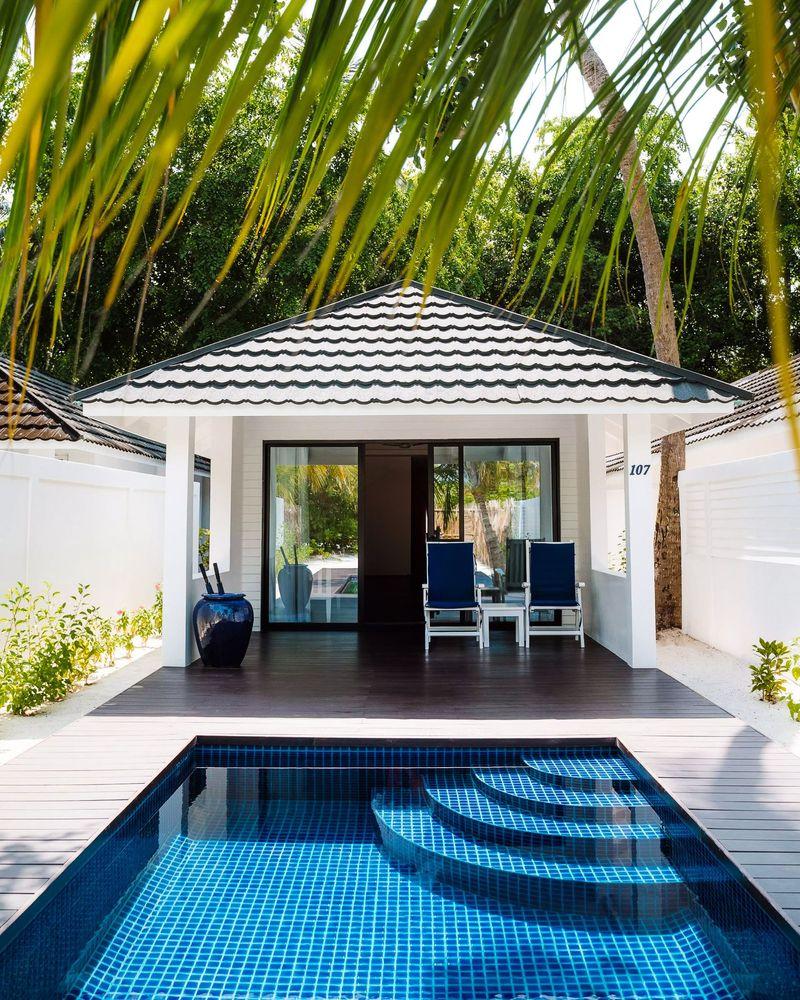
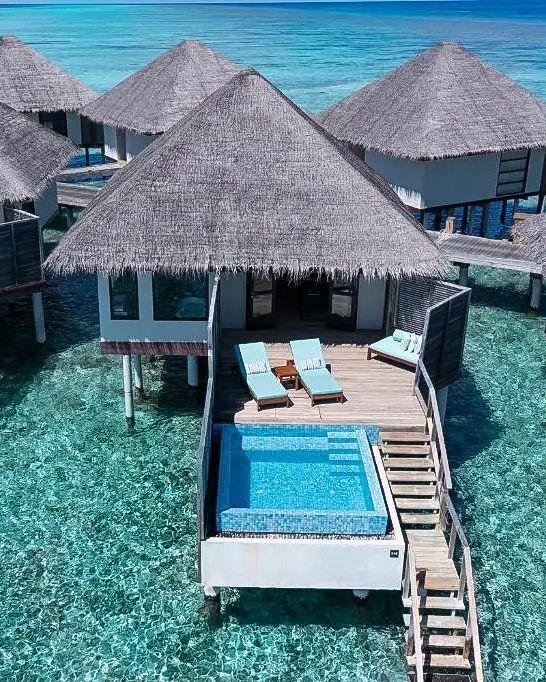
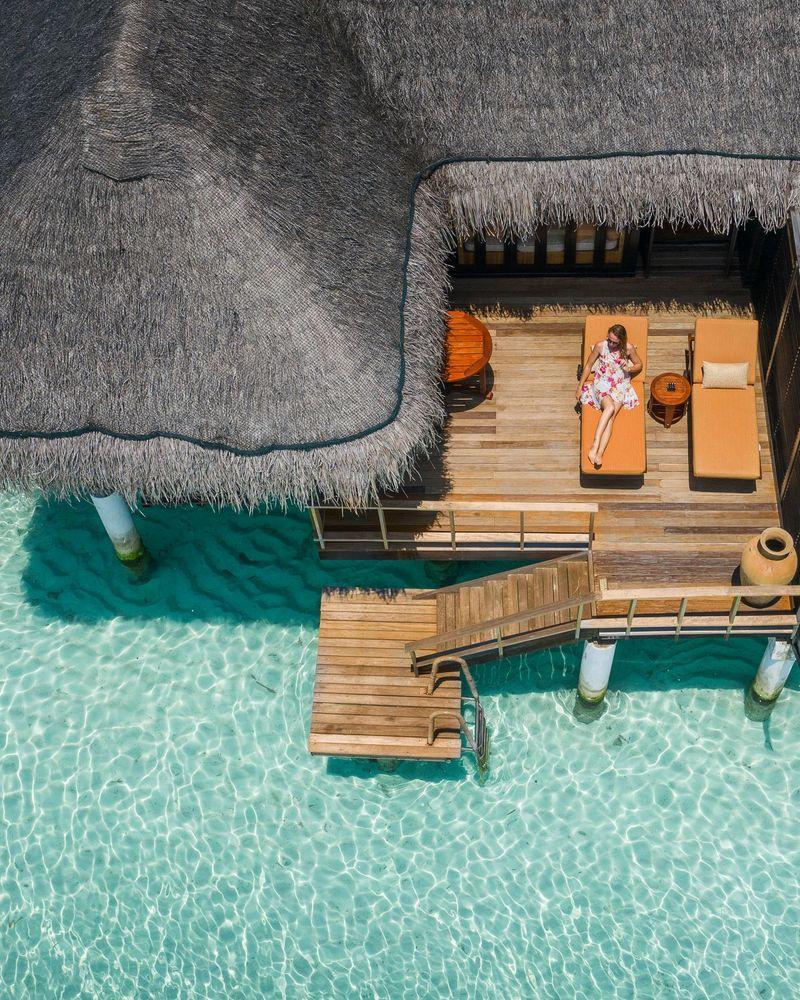
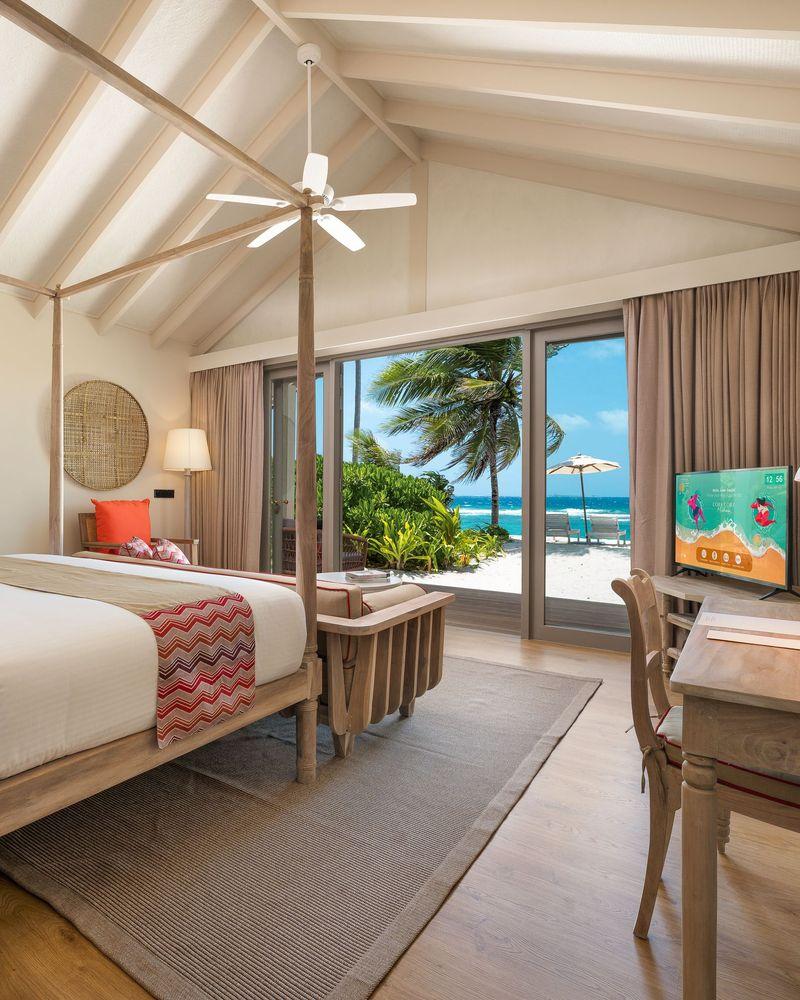
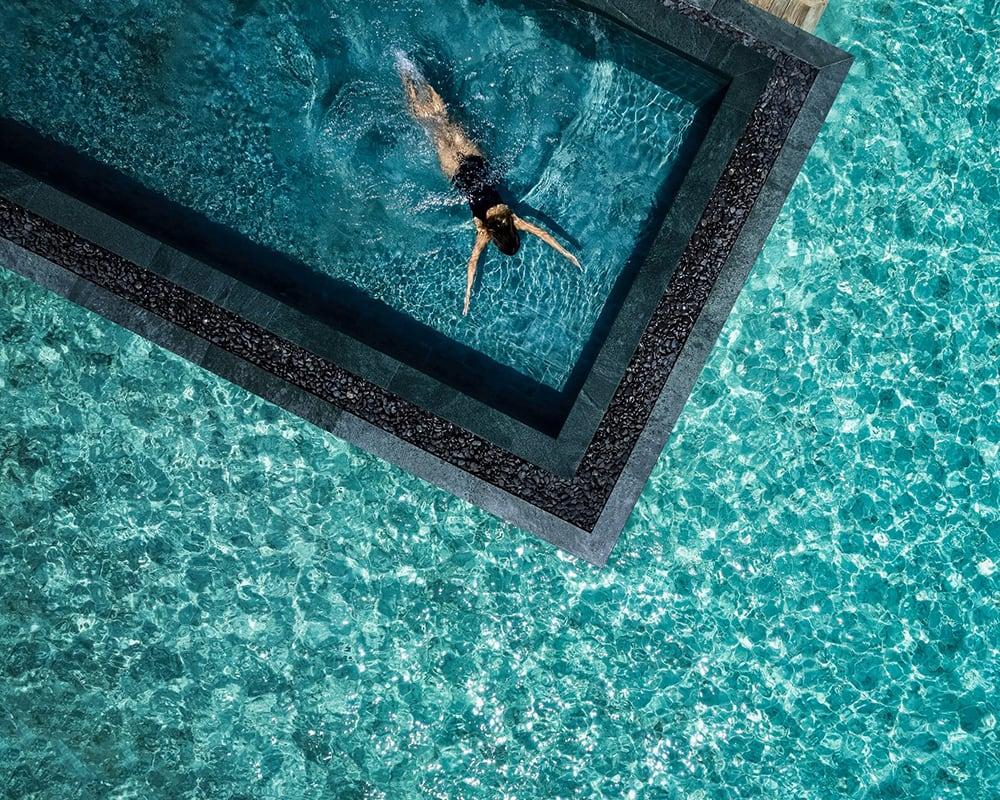
- Room category changes the holiday more than the resort does: An entry level beach villa and an overwater pool villa at the same resort are fundamentally different experiences. The villa you stay in shapes your daily rhythm completely. Do not choose your resort and then figure out the room. Do it the other way around. (Recommended: Resorts in the Maldives that have Water Villas with Slides)
- All-inclusive is not automatically the right choice: It depends on how you drink, how you eat, and how much time you spend at the resort versus on excursions. For some guests it saves a lot of money. For others who prefer à la carte dining and do not drink much, it adds cost without adding value. Think about your actual habits before committing. (Recommended: The difference between Half Board, Full Board, and All Inclusive Meal Plans in the Maldives | Is an All Inclusive Maldives Holiday Really Worth It?)
What There is to do and What Nobody Tells you
People ask "what is there to do in the Maldives" as if the answer might be disappointing. It never is.
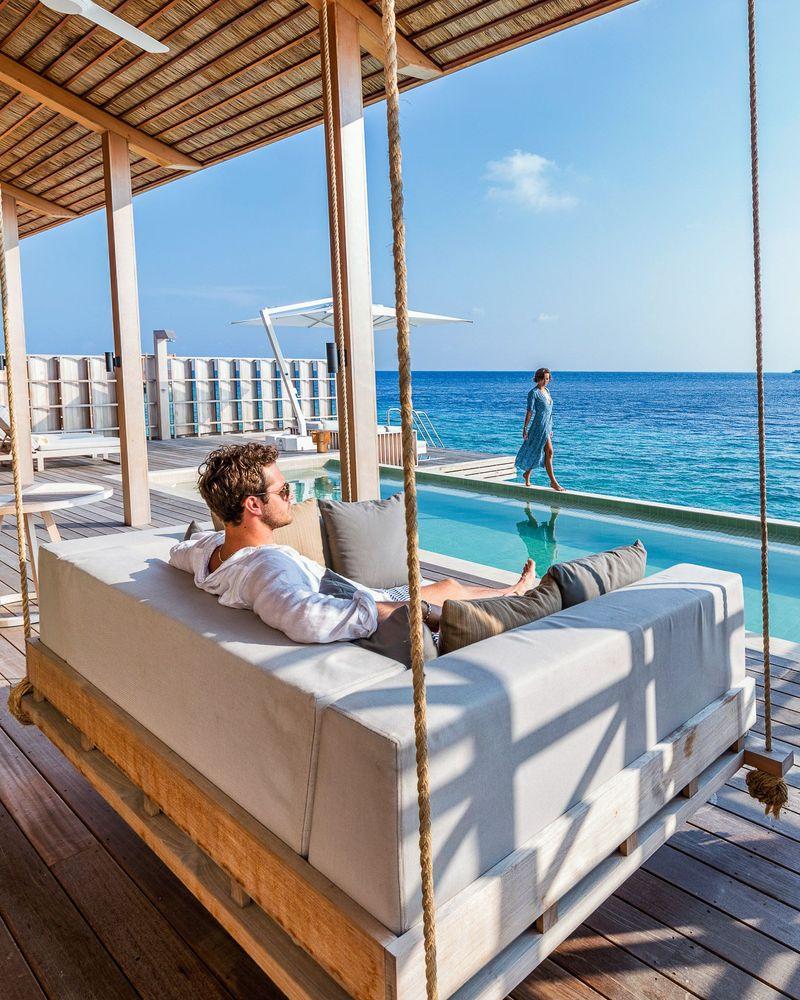
Some of the best things you will do here cost nothing. Watch the sunrise from your villa deck. Walk the length of the island before anyone else is awake. Sit at the water's edge and watch whatever swims past, because something always does.
Then there are the things worth paying for. Excursions in the Maldives feel like proper adventures every time. A sandbank picnic drops you on a strip of white sand in the middle of the ocean with nothing around you for miles.
A dolphin cruise almost always delivers, and you will cheer every single time the dolphins appear regardless of how many times you have seen them before. A fishing trip out in the late afternoon, on the water as the light changes, with your catch cooked for you that same evening. A night snorkel. A dive on a reef so good it makes you want to learn properly if you have not already.
The water sports centre at most resorts will keep the more active guests busy every morning. Jet skiing, wakeboarding, kitesurfing, kayaking, paddleboarding. The Maldives also has world class surf breaks.
Practical Things to Know Before you Go
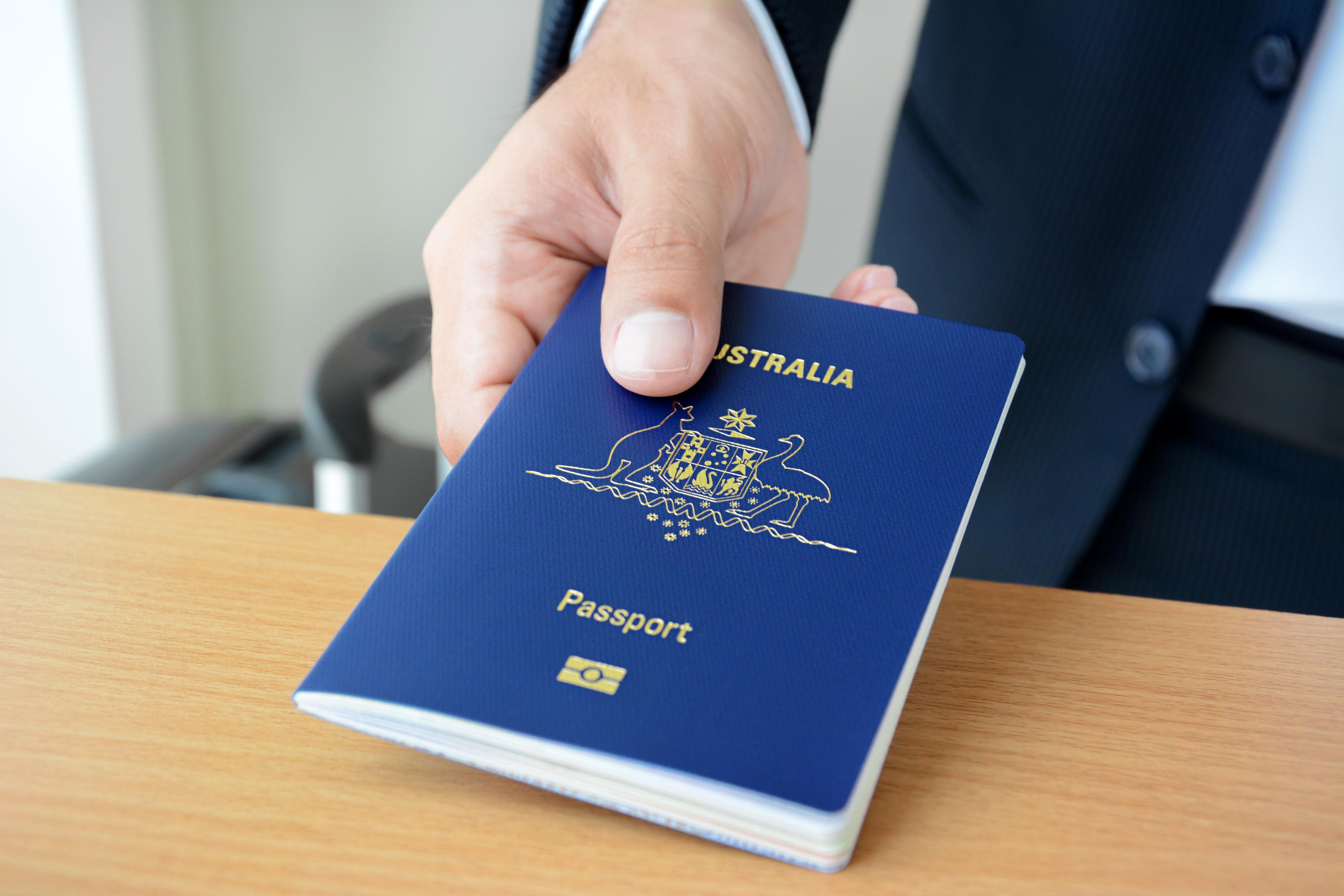
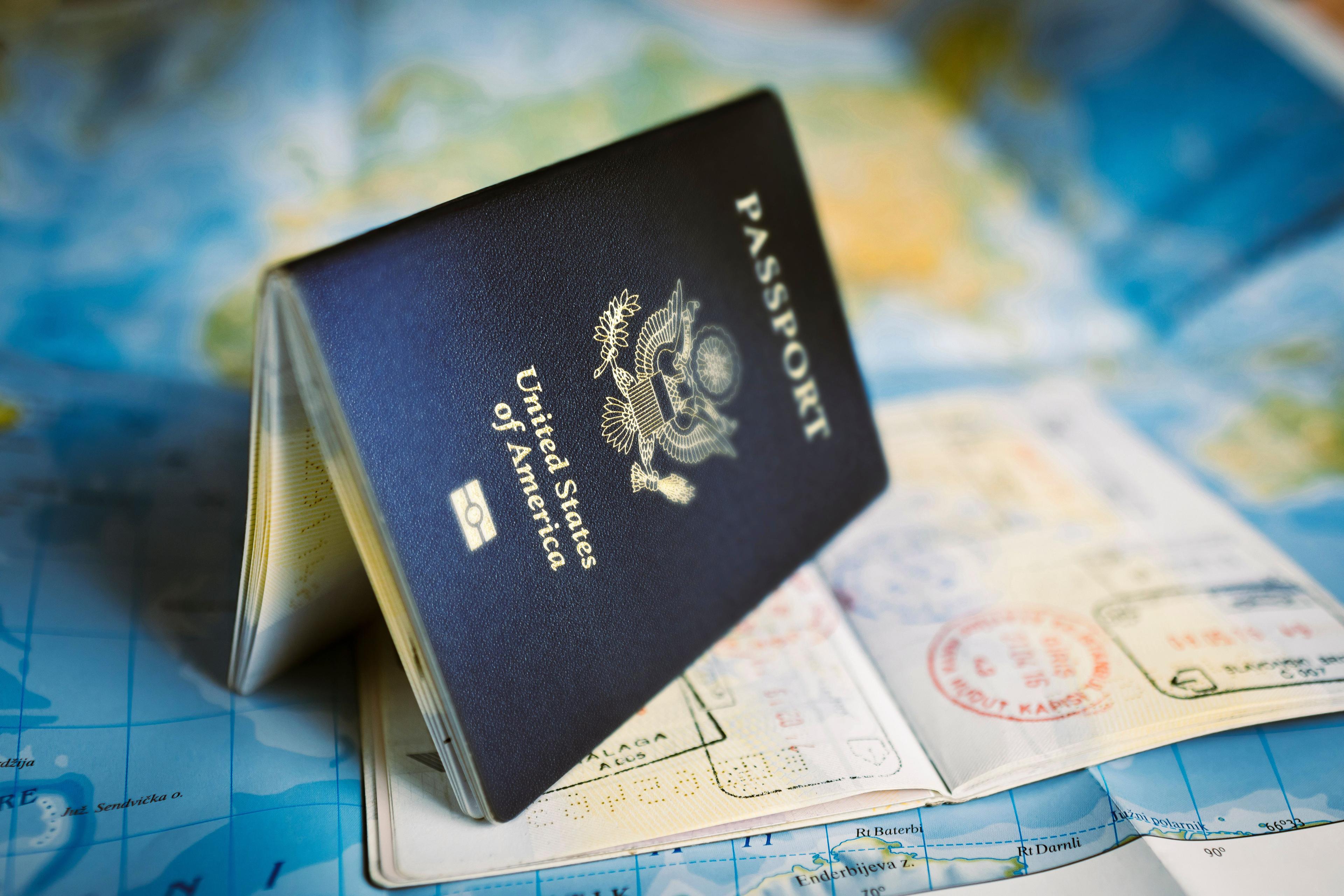
Visa: Most nationalities get a free 30 day visa on arrival. Complete the IMUGA traveller declaration online within 96 hours before you fly. Use only the official government site. Scam sites charge fees for a form that is completely free.
Alcohol: Available at resort islands and liveaboards. Not permitted on local islands. The Maldives is a Muslim country and this is respected everywhere outside resort islands.
Dress code: Normal holiday clothing at resorts. Modest dress on local islands — shoulders and knees covered, bikinis only on designated bikini beaches.
Money: US dollars are accepted almost everywhere. The Maldivian Rufiyaa is the local currency but you will rarely need it at a resort.
What you cannot bring in: Alcohol, pork products, and religious items beyond personal use are prohibited. Check the full import restrictions guide before you pack.